Male Breast Reduction Surgery
Gynecomastia — overdeveloped or enlarged breasts in men — can show up at any age. Hormonal imbalance, genetics, weight gain, or certain medications all play a role. Many men quietly avoid the gym, the beach, and anything that means taking off their shirt. Male breast reduction surgery at CCRS fixes that. Dr. Sameer Karkhanis uses VASER ultrasound and BodyTite radiofrequency to remove fat precisely, tighten skin, and leave the chest looking natural — with minimal scarring and a daycare procedure. Male breast reduction surgery cost at CCRS starts from INR 45,000, depending on grade and technique used.
Book Appointment

Male Breast Reduction Surgery Cost in Thane – Procedure in Brief
| Duration | 1-3 Hours |
| Pain | Mild 3/10 |
| Visible Results | Immediate, final results at 6 months |
| Results Last | Permanent |
| Hospital Stay | Daycare |
| Downtime | 2-5 Days |
| Approximate Cost excluding GST* | INR 45,000 - INR 1,10,000 |


Male Breast Reduction Before and After – Videos & Results
Dive into our collection of informative videos and engaging blog posts. Here, you’ll find a wealth of resources designed to provide valuable insights into the procedure


Gynecomastia Surgery Explained | Dr Sameer Karkhanis

VASER - The Gold Standard in Gynaecomastia Treatment

Grade 1 Gynecomastia surgery

Grade 2 Gynecomastia surgery

Gynecomastia Grade 3 surgery

BodyTite : Minimally Invasive Body Contouring

Male Breast Reduction

Male Breast Reduction

Male Breast Reduction

Male Breast Reduction

Male Breast Reduction

Male Breast Reduction

Male Breast Reduction

Dr.Sameer Karkhanis | Welcome to CCRS

Male Breast Reduction Surgery
Candidates
Male breast reduction surgery in Thane suits men who are physically healthy at a relatively stable weight, whose breast enlargement has stopped growing, and who are bothered by the appearance or feel of their chest. Adolescents from age 13 can also be treated, though a follow-up procedure may be needed if development continues. The key requirement is realistic expectations — the surgery removes fat and glandular tissue permanently, but maintaining a stable weight and healthy lifestyle after surgery protects the results. To confirm you’re a candidate, book a consultation with Dr. Sameer Karkhanis at CCRS Thane.
Pre-operative
- Before male breast reduction surgery in Thane, you’ll need a medical evaluation and lab testing at CCRS Thane. Stop smoking as early as possible before the procedure — it directly slows healing. Aspirin, anti-inflammatory drugs, and herbal supplements all raise bleeding risk and need to be stopped in the weeks before surgery. Dr. Karkhanis will review your current medications and adjust as needed at your pre-operative consultation.
Procedure
Male breast reduction surgery in Thane at CCRS is performed under sedation, twilight anaesthesia, or GA — typically takes 1 to 3 hours and is a daycare procedure. Dr. Karkhanis chooses the technique based on the grade of your gynecomastia, the extent of fat, gland, and loose skin.
VASER lipo

In cases where gynecomastia is primarily the result of excess fatty tissue, liposuction techniques alone may be used. This requires insertion of a cannula, a thin hollow tube, through several small incisions.
The cannula is moved back and forth in a controlled motion to loosen the excess fat, which is then removed from the body by vacuum suction.
There are various liposuction techniques that may be used; the technique most appropriate in your case will be defined prior to your procedure.
VASER with Gland excision

Excision techniques are recommended where glandular breast tissue or excess skin must be removed to correct gynecomastia. Excision also is necessary if the areola will be reduced or the nipple will be repositioned to a more natural male contour. Incision patterns vary depending on the specific conditions and surgical preference.
Combination of VASER & excision techniques

Sometimes gynecomastia is treated with both liposuction and excision.
Post-op Care
Following your gynecomastia surgery, dressings or bandages will cover your incisions, and an elastic bandage or pressure garment may be used to reduce swelling and support your new chest contour. A small tube might be placed under the skin to drain excess blood or fluid. You’ll receive detailed instructions on caring for the surgical site, managing drains, taking medications to aid healing, and signs to watch for, as well as when to follow up with your plastic surgeon.
Recovery
Male breast reduction surgery in Thane results are visible right away — but expect swelling for the first few weeks that settles over 3 to 6 months. Final male breast reduction before and after results are fully apparent at 6 months. Scars from incisions are permanent but they sit in the natural contours of the chest and fade considerably over time. Most patients report a real difference in how they carry themselves — shirts fit differently, the gym stops feeling like something to get through. Some cases need a second procedure for additional tightening, and Dr. Karkhanis will tell you upfront at your consultation if that’s likely.
- To perform additional tightening or repositioning of the breasts
- To treat any complications that may occur
Complications
Gynecomastia surgery risks include:
- Bleeding (hematoma)
- Breast asymmetry
- Breast contour and shape irregularities
- Changes in nipple or breast sensation may be temporary or permanent
- Fatty tissue found in the breast might die (fat necrosis)
- Fluid accumulation (seroma)
- Infection
- Persistent pain
- Poor wound healing
- Possibility of revision surgery
• Unfavorable scarring

Male Breast Reduction Can Be Combined With
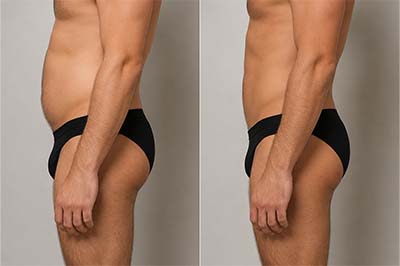
VASER Lipo
Precision ultrasound-assisted liposuction that targets and removes fat cells with minimal damage, delivering smoother body contours and enhancing muscle definition.


BodyTite
Minimally invasive radiofrequency technology that melts fat and tightens skin simultaneously, offering contouring and firming with minimal scarring.

Morpheus8 Body
Deep-tissue radiofrequency microneedling for skin tightening and smoothing over larger body areas, effectively reducing cellulite and skin laxity.
Book a Male Breast Reduction Consultation
Meet the skilled professionals behind our transformative treatments. Each of our specialist doctors brings extensive experience and a commitment to excellence, ensuring personalized care and exceptional results.

Sameer Karkhanis, MD
Board-Certified Plastic Surgeon
Dr. Sameer Karkhanis is the Chief Plastic Surgeon and Director at CCRS. With 25 years of experience, he is board-certified with DNB Plastic Surgery (Diplomate of National Board) and an active ISAPS member. He specialises in male breast reduction surgery, VASER gynecomastia treatment, and all cosmetic breast procedures at the CCRS dedicated plastic surgery centre. Every consultation includes a clear male breast reduction surgery cost breakdown.


FAQs
Our dedicated team of professionals provides top-notch surgical services in a modern, comfortable environment. Explore our gallery to see the advanced facilities and compassionate care that set us apart in the field of surgery.
Contrary to popular belief, males produce estrogens (`female’ hormones) along with androgens (‘male’ hormones like testosterone). The cause for gynecomastia, simply put, is an imbalance between male and female hormones.
Though not all contributing factors are still known, here are some of them:
- Natural hormonal changes that occur during certain stages of life.
- Ingestion of certain medications for treatment of conditions like depression, ulcer, heart disease, HIV, enlarged prostrate etc.
- Kidney or liver failure.
- Tumors involving the testes, adrenal glands or pituitary gland.
- Excessive use of alcohol.
- Continued contact with certain herbal products containing tea tree oil or lavender oil.
- Malnutrition or starvation.
Enlarged male breasts is the primary symptom of gynecomastia. Other signs may include rubbery nipples, retraction of the nipples, dimpling of the skin and tenderness or hypersensitivity in the area.
The procedure can be performed from the age of 13 onwards, depending on the severity of the symptoms.
The rate of recovery is subjective. However, expect 3-10 days before you can resume work.
Usually, gynecomastia surgery gives you permanent results, as breast tissue is removed permanently and rarely grows back. In addition, since both fat and glands are removed, the breast enlargement condition doesn’t recur.
Nevertheless, gynecomastia can infrequently return after surgery when a person gains a significant amount of weight, develop a hormonal imbalance, or doesn’t follow a healthy lifestyle post-surgery, requiring further treatment.
Dr. Sameer can provide more information about maintaining the results of surgery in a consultation.
The procedure results in minimal scarring, and most of those scars will be concealed in natural contours of the chest. If you also underwent a lift, there may be some scars around the areola and along the lowest part of the breast, but they blend with your natural skin pigment and can be barely noticeable.
In some teens, gynecomastia naturally goes away after puberty. However, in most cases, the effects of the condition are permanent and may need a surgical approach to correct.
As the root cause is an increase of estrogens due to hormonal changes, gynecomastia can occur in adolescents during puberty as well as adult men for a host of different reasons as mentioned above.
Exercise can reduce excess stored fat on the chest; however, it has no effect on the dense glandular tissue caused by gynecomastia. Some men are dismayed to find that no matter how hard or often they exercise, their breasts do not get smaller.
Absolutely not! Gynecomastia surgery is pretty common these days because men are feeling more and more empowered to take control of their own appearance, the same way women have traditionally done.
Need more information on gynecomastia surgery? Contact us to set up an initial consultation.
In addition to improving the appearance of the chest, gynecomastia surgery can also lead to an increase in self-confidence and sexual satisfaction. Many men have newfound motivation to exercise and maintain their results.
Wearing a compression garment after gynecomastia surgery is recommended to minimize swelling and bruising results in shortening the wound healing time. After male breast reduction surgery, swelling and bruising won’t go away as fast, and there will be a higher chance for seroma (fluid collection), and hematoma (blood collection), which necessitates wearing a pressure garment helps address unwanted complications.